


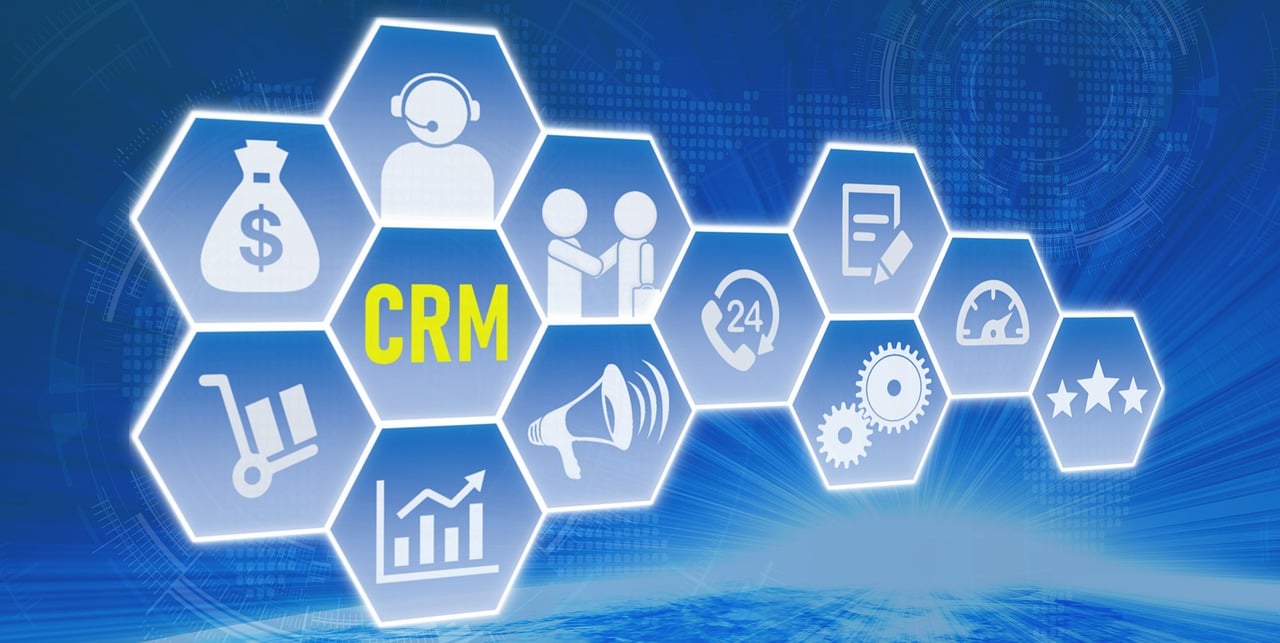
Welcome to the world of Customer Relationship Alchemy, where connections are transformed into gold through the power of Customer Relationship Management (CRM). In this article, we will delve into the realm of CRM and explore how businesses can leverage it to create valuable and long-lasting relationships with their customers. Join us on this journey as we unlock the secrets of turning connections into gold.
Understanding CRM
Customer Relationship Management (CRM) is a strategy that focuses on building and nurturing strong relationships with customers. It involves collecting, analyzing, and utilizing customer data to enhance the overall customer experience and drive business growth. By understanding their customers better, businesses can tailor their products, services, and marketing efforts to meet specific needs and preferences.
What is CRM?
CRM stands for Customer Relationship Management. It refers to the practices, strategies, and technologies that companies use to manage and analyze customer interactions and data throughout the customer lifecycle.
Why is CRM important?
CRM is important because it allows businesses to gain insights into their customers’ behaviors and preferences. By understanding their customers better, businesses can deliver personalized experiences, improve customer satisfaction, and foster long-term loyalty.
Benefits of CRM
Implementing a CRM system can bring numerous benefits to businesses of all sizes and industries. Let’s explore some of the key advantages:
- Improved Customer Relationships: CRM helps businesses build stronger relationships with customers by providing a holistic view of their interactions and preferences.
- Enhanced Customer Service: CRM enables businesses to deliver exceptional customer service by streamlining support processes and providing a seamless experience across multiple channels.
- Increased Efficiency: By automating manual tasks and centralizing customer data, CRM boosts operational efficiency and allows employees to focus on more value-added activities.
- Better Decision-Making: CRM provides valuable insights and analytics that empower businesses to make data-driven decisions and optimize their strategies for maximum effectiveness.
- Higher Sales Revenue: With CRM, businesses can identify and prioritize high-value leads, track sales activities, and streamline the sales process, resulting in increased revenue.
- Improved Marketing ROI: By segmenting customer data and leveraging personalized marketing campaigns, CRM helps businesses target the right audience and maximize their marketing return on investment.
Implementing CRM
Implementing a CRM system requires careful planning and execution. Here are the key steps to consider:
- Define Your Objectives: Clearly outline your goals and expectations from implementing CRM. Identify the specific areas of your business that need improvement.
- Choose the Right CRM Solution: Research and evaluate different CRM solutions to find the one that aligns with your business needs and budget.
- Involve Your Team: Get buy-in from your team members and involve them in the implementation process. Provide training and support to ensure a smooth transition.
- Organize and Cleanse Your Data: Before migrating your data to the CRM system, clean and organize it to ensure accuracy and completeness.
- Customize and Configure: Tailor the CRM system to match your business processes and workflows. Configure fields, permissions, and automation rules as needed.
- Test and Refine: Thoroughly test the CRM system before going live. Collect feedback from users and make necessary adjustments to optimize its performance.
- Roll Out and Train: Launch the CRM system across your organization and provide comprehensive training to your employees. Encourage adoption and address any concerns.
- Monitor and Improve: Continuously monitor the usage and effectiveness of the CRM system. Gather feedback from users and make improvements to enhance its value.
Choosing the Right CRM Solution
When selecting a CRM solution for your business, it’s essential to consider various factors:
- Scalability: Ensure that the CRM solution can accommodate your business’s current and future growth needs.
- User-Friendliness: Look for a CRM system with an intuitive interface and easy-to-use features to encourage user adoption.
- Customization Options: Choose a CRM solution that allows you to tailor the system to match your unique business processes and requirements.
- Integration Capabilities: Consider the CRM system’s ability to integrate with other tools and systems you use in your business, such as marketing automation or helpdesk software.
- Data Security: Prioritize a CRM solution that provides robust security measures to protect your customer data.
- Vendor Support: Research the vendor’s reputation and customer support services to ensure you receive timely assistance when needed.
CRM Best Practices
To make the most out of your CRM implementation, follow these best practices:
- Set Clear Goals: Clearly define your CRM objectives and align them with your overall business strategy.
- Involve All Departments: CRM should be a cross-functional effort involving sales, marketing, customer service, and other relevant departments.
- Train and Educate Employees: Provide comprehensive training to all CRM users and educate them about the benefits and best practices of using the system.
- Focus on Data Quality: Regularly clean and update your customer data to ensure its accuracy and reliability.
- Segment Your Customers: Divide your customer base into meaningful segments to deliver personalized experiences and targeted marketing campaigns.
- Measure and Analyze: Utilize CRM analytics to gain insights into customer behaviors, identify trends, and make data-driven decisions.
- Continuously Improve: Regularly review and refine your CRM processes to adapt to changing customer needs and market dynamics.
Building Customer Loyalty
Customer loyalty is a vital aspect of CRM. Here are some strategies to build and nurture customer loyalty:
- Deliver Exceptional Customer Service: Provide prompt and personalized support to exceed customer expectations and create positive experiences.
- Communicate Regularly: Keep your customers informed about relevant updates, new offerings, and exclusive promotions through various channels.
- Reward and Appreciate: Implement loyalty programs, offer exclusive discounts, or provide special perks to show appreciation for your loyal customers.
- Solicit Feedback: Encourage customers to share their feedback and suggestions. Actively listen and take appropriate actions to address their concerns.
- Stay Consistent: Maintain consistency in your brand messaging, values, and quality across all customer touchpoints.
Personalization: The Key to Successful CRM
Personalization plays a crucial role in effective CRM. Here’s how you can leverage personalization to enhance customer experiences:
- Segmentation: Divide your customer base into segments based on demographics, preferences, buying behaviors, or any other relevant criteria.
- Targeted Communications: Tailor your marketing messages and offers to match the specific needs and interests of each customer segment.
- Individualization: Use the customer data in your CRM system to create highly personalized experiences for individual customers.
- Automation: Leverage automation tools to deliver personalized messages and recommendations at scale, saving time and effort.
- Continual Optimization: Regularly analyze and optimize your personalization strategies based on customer feedback and performance metrics.
CRM Analytics: Unleashing the Power of Data
CRM analytics empowers businesses to derive valuable insights from customer data. Here’s how you can unleash the power of CRM analytics:
- Data Collection: Collect and consolidate relevant customer data from various touchpoints, including website interactions, social media, and customer support.
- Data Integration: Integrate data from CRM with other business systems to gain a comprehensive view of your customers.
- Descriptive Analytics: Use descriptive analytics to understand past customer behaviors and trends.
- Predictive Analytics: Leverage predictive analytics to anticipate future customer behaviors and make proactive decisions.
- Prescriptive Analytics: Apply prescriptive analytics to recommend the best actions and strategies based on customer insights.
Integrating CRM with Other Systems
Integrating your CRM system with other business systems can further enhance its capabilities. Consider these integration possibilities:
- Marketing Automation: Integrate your CRM with a marketing automation platform to align your marketing and sales efforts seamlessly.
- Helpdesk Software: Connect your CRM with a helpdesk software to streamline customer support processes and provide efficient issue resolution.
- E-commerce Platforms: Integrate your CRM with e-commerce platforms to gain a unified view of customer interactions across online and offline channels.
- Business Intelligence Tools: Combine CRM data with business intelligence tools for in-depth analysis and reporting on customer insights.
- Collaboration Tools: Integrate CRM with collaboration tools to facilitate communication and information sharing among team members.
CRM in the Digital Age
In the digital age, CRM has evolved to adapt to changing customer expectations and technological advancements. Here are some key aspects of CRM in the digital age:
- Omnichannel Experience: Provide a seamless and consistent experience across multiple digital channels, such as websites, social media, and mobile apps.
- Real-Time Interactions: Engage with customers in real-time through live chat, chatbots, and social media messaging to deliver instant support and personalized experiences.
- Artificial Intelligence: Harness the power of AI to automate routine tasks, analyze customer data, and provide intelligent recommendations and predictions.
- Internet of Things (IoT) Integration: Connect CRM systems with IoT devices to gather data and gain insights into customer behaviors and preferences.
- Virtual Reality (VR) and Augmented Reality (AR): Utilize VR and AR technologies to enhance customer experiences, such as virtual product demonstrations or interactive virtual shopping.
CRM and Social Media
Social media platforms offer valuable opportunities for businesses to connect and engage with their customers. Here’s how CRM can be leveraged in the realm of social media:
- Social Listening: Monitor social media platforms to gather insights about customer sentiments, preferences, and interactions with your brand.
- Engagement and Support: Respond promptly to customer inquiries, comments, and complaints on social media channels to provide excellent customer service.
- Targeted Advertising: Leverage CRM data to create targeted social media advertising campaigns that reach the right audience with personalized messages.
- Social CRM Integration: Integrate social media interactions with your CRM system to capture and analyze valuable customer data from these channels.
- Influencer Marketing: Identify and collaborate with social media influencers who align with your brand values to expand your reach and build credibility.
Mobile CRM: Connecting on the Go
With the increasing use of smartphones and mobile devices, mobile CRM has become essential for businesses. Here’s how mobile CRM can benefit your organization:
- Access Anytime, Anywhere: Enable your sales, marketing, and customer service teams to access CRM data and functionality on their mobile devices, even while on the go.
- Enhanced Productivity: Empower your mobile workforce with the ability to update customer data, track activities, and collaborate with team members in real-time.
- Efficient Field Operations: Optimize field operations by providing mobile access to CRM, allowing field representatives to access customer information and manage tasks efficiently.
- Location-Based Services: Leverage location data to provide relevant information and offers to customers based on their proximity to your business or specific locations.
- Mobile Notifications: Send personalized notifications and alerts to customers’ mobile devices to keep them informed about promotions, updates, or important events.
CRM Challenges and Solutions
Implementing CRM may come with certain challenges. Here are some common challenges and their potential solutions:
- Data Quality: Ensure data accuracy and cleanliness through regular data cleansing and validation processes.
- User Adoption: Provide comprehensive training and ongoing support to ensure user buy-in and adoption of the CRM system.
- Integration Complexity: Plan and prioritize integrations carefully, focusing on the systems that will have the most significant impact on your CRM objectives.
- Privacy and Security: Implement robust security measures, comply with data protection regulations, and communicate your commitment to customer privacy.
- Change Management: Establish a change management plan to address resistance to change and foster a positive mindset towards CRM implementation.
The Future of CRM
The future of CRM holds exciting possibilities for businesses. Here are some trends that are shaping the future of CRM:
- Artificial Intelligence and Machine Learning: AI and ML technologies will continue to advance CRM capabilities, enabling predictive analytics, intelligent automation, and personalized experiences.
- Hyper-Personalization: CRM will evolve to deliver hyper-personalized experiences, leveraging real-time data, AI, and customer context to create tailor-made interactions.
- Customer Data Platforms (CDP): CDPs will play a crucial role in consolidating and unifying customer data from various sources, enabling a holistic view of customers.
- Voice Technology: Voice assistants and voice-activated CRM interactions will become more prevalent, allowing customers and employees to engage with CRM through voice commands.
- Ethical Data Use: As data privacy concerns grow, businesses will focus on ethical data use, transparency, and providing customers with control over their data.
Download Now Click OPEN / INSTALL / VISIT above
FAQs
Q1: What is CRM?
CRM stands for Customer Relationship Management. It refers to the practices, strategies, and technologies that companies use to manage and analyze customer interactions and data throughout the customer lifecycle.
Q2: Why is CRM important?
CRM is important because it allows businesses to gain insights into their customers’ behaviors and preferences. By understanding their customers better, businesses can deliver personalized experiences, improve customer satisfaction, and foster long-term loyalty.
Q3: What are the benefits of CRM?
Implementing a CRM system can bring numerous benefits to businesses, including improved customer relationships, enhanced customer service, increased efficiency, better decision-making, higher sales revenue, and improved marketing ROI.
Q4: How can I choose the right CRM solution for my business?
When choosing a CRM solution, consider factors such as scalability, user-friendliness, customization options, integration capabilities, data security, and vendor support. Evaluate different options and select the one that aligns with your business needs and budget.
Q5: How can CRM help in building customer loyalty?
CRM can help in building customer loyalty by delivering exceptional customer service, communicating regularly with customers, rewarding and appreciating their loyalty, soliciting feedback, and maintaining consistency in brand messaging and quality.
Q6: What is the future of CRM?
The future of CRM will be characterized by advancements in artificial intelligence, hyper-personalization, customer data platforms, voice technology, and a focus on ethical data use and privacy.
Q7: How can I overcome CRM challenges?
To overcome CRM challenges, ensure data quality through regular cleansing, provide comprehensive training for user adoption, plan and prioritize integrations carefully, implement robust security measures, and establish a change management plan.
Thank you for reading our article on Customer Relationship Alchemy: Turning Connections into Gold with CRM. We hope you found it informative and insightful. If you have any further questions or would like to explore more topics, stay tuned for our future articles. See you soon!
